

How a Leading General Contractor Recovered $1.25M and Regained Mobility Control with Solve(X)
Industry: Commercial Construction
Locations: 12 Regional Offices
Mobile Fleet: 3,500+ Devices
Monthly Overspend Identified: $85K
A leading US contracting firm operating across 12 regional offices relied on more than 3,500 mobile devices to support field supervisors, project managers, and on-site crews. Inspections, safety documentation, scheduling, and real-time coordination all depended on reliable mobile access.
The mobility program was functioning. Devices were issued, invoices were processed, and internal processes were in place. But it was not optimized.
As the company scaled, mobility became more complex, more manual, and harder to govern. Growth wasn’t the problem. Complexity was. What appeared operational on the surface concealed fragmentation beneath it, and that fragmentation was costing time, limiting visibility, and driving unnecessary spend.
The Challenge: Fragmented Systems Created Operational Strain
Mobility oversight was constrained by disconnected systems and inconsistent visibility across the organization.
Carrier data resided in the Verizon portal, device management lived in Workspace ONE, lifecycle updates depended on cross-checking multiple systems, and financial tracking sat within internal accounting systems. Each environment maintained its own records for line status, device assignments, billing activity, and lifecycle changes. Without unified oversight, inactive lines remained active, plan alignment drifted from actual usage, and mobility costs accumulated without clear traceability.
Every month, IT reconciled:
Carrier billing files
Device inventories
Usage records
Internal lifecycle logs
Manual reconciliation became routine. Overspend accumulated quietly. Inactive lines remained active, plans drifted from real usage, and replacement devices were delayed while teams verified status across systems.
The environment was operational, not optimized. The issue was not connectivity, but the absence of a unified mobility program delivering visibility, control, and continuous improvement.
We weren’t managing mobility. Mobility was managing us.
Chief Technology Officer, Leading Contracting Firm
Core Mobility Pain Points


Those symptoms signaled rising enterprise risk. Without unified visibility, efficiency stalled and mobility optimization lagged behind business growth.
The Solution: Unified Mobility Control, Automated Outcomes
GoExceed’s Solve(X) platform was deployed to bring structure, visibility, and continuous optimization to the mobility environment. Instead of introducing new systems, it connected the ones already in place.
Carrier data, device records, usage activity, and billing were consolidated into a single, real-time mobility view. Line status, assignments, and lifecycle updates were synchronized, eliminating conflicting records and manual cross-checking. What previously required reconciliation across portals and spreadsheets became governed within one platform.
Three integrated solutions established control.
Smart Optimization continuously analyzed billing and usage to eliminate zero and low-usage lines and ensure plans matched data usage.
OneSync connected Verizon data with Workspace ONE MDM platform, aligning usage, device status, and support activity into a single view.
Smart Asset Management centralized device tracking across deployment, repair, and retirement, restoring lifecycle visibility and consistency.
Together, these solutions replaced fragmented oversight with automated governance, real-time visibility, and measurable mobility control. What had been operational became optimized, and mobility shifted from administrative burden to structured performance management.
The Result: Governed Mobility, Measurable Control
With unified visibility in place, mobility oversight shifted from manual coordination to structured governance.
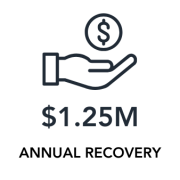
Carrier data, device records, and lifecycle activity were aligned in real time. Billing discrepancies were identified and corrected automatically, driving $1.25M in annual recovery. Line status reflected actual usage, inventories became consistent across offices, and what once required cross-checking across portals and spreadsheets was governed within a single environment.
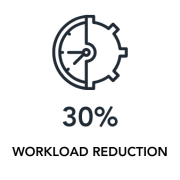
IT no longer spent time validating data before acting. Rate alignment was continuously monitored, inactive lines were addressed early, and lifecycle workflows followed standardized processes across all regions. As audits became structured validations, IT oversight dropped by 30%.
The mobility program became measurable and controlled. Reporting was centralized, visibility strengthened, and leadership gained confidence in the data guiding decisions. What had been an operational requirement evolved into a governed, optimized mobility program delivering sustained financial and operational value.
Solve(X) gave us confidence to make smarter, faster decisions.
Chief Technology Officer, Leading Contracting Firm
Solve(X) Impact
Ready to Take Control of Your Mobility Environment?
With Solve(X), financial institutions and enterprise organizations can unlock data, reduce spend, and gain operational confidence without disruption.
Let’s turn mobility from a cost center into a strategic advantage.